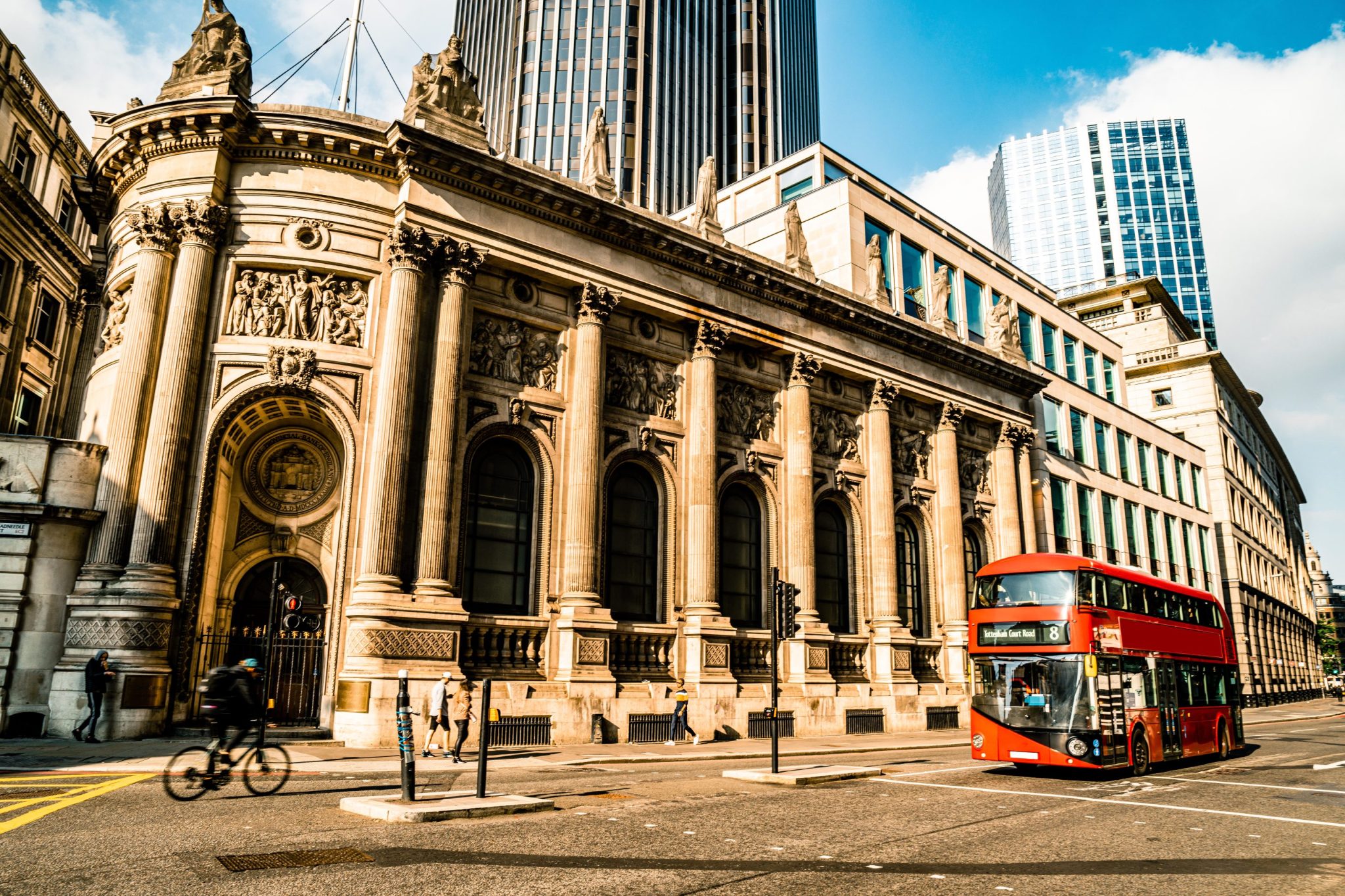
London, 1832. In a modest room on Lombard Street, clerks from thirty-one competing banks gather each afternoon. By 5 p.m., they begin the final settlement process. They are not there to negotiate individual transactions; that would be impossibly slow. They are participating in something revolutionary: the London Bankers’ Clearing House.
The technical challenge had already been solved. Banks understood double-entry bookkeeping. They could track debits and credits. They knew how to calculate a balance. The real problem was architectural: How do you enable daily transactions between competitors who fundamentally don’t trust each other? How do you create binding agreements when no single authority has enforcement power over all parties?
The Clearing House worked not through regulation or legal mandate, but through something more powerful: collective reciprocity backed by reputation. Every bank needed access to the clearing system to function. When a bank violated settl
We współpracy z: https://fortune.com/2026/03/20/salesforce-ai-infrastructure-london-clearing-house-19th-century-banking/