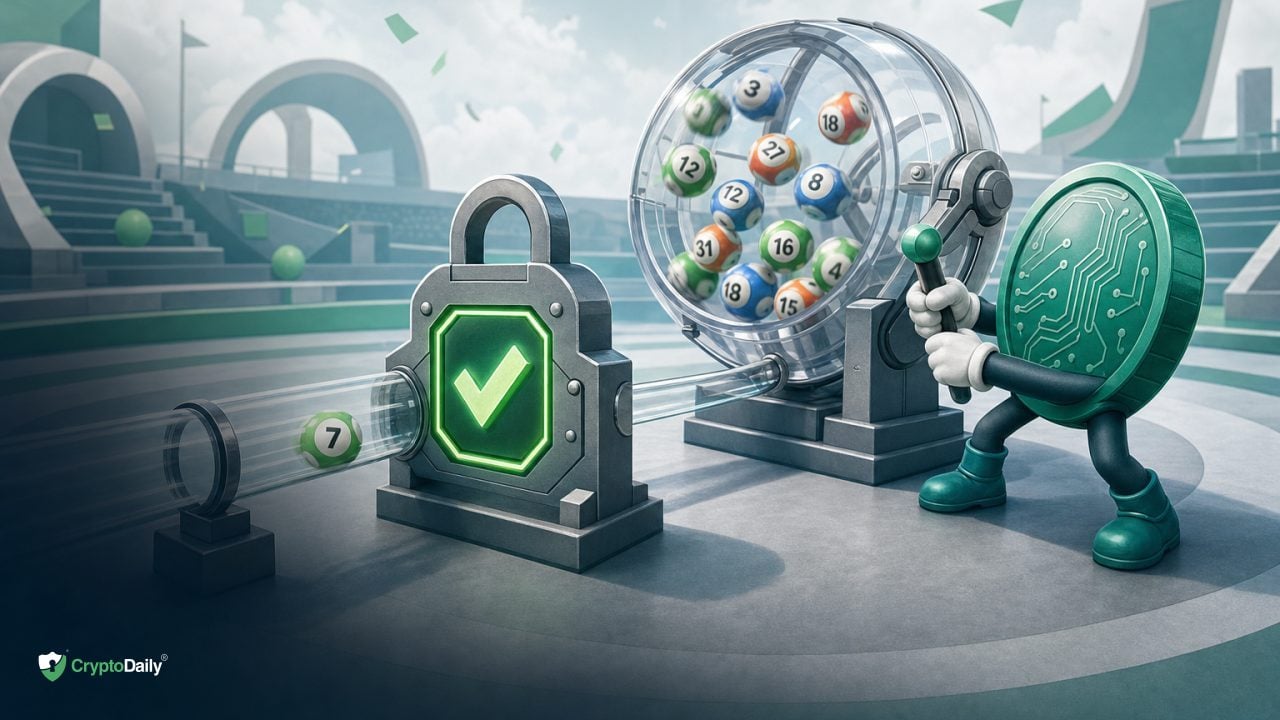
If you hand out loot, spins, or mystery boxes in a Web3 game, the first question players ask is simple: was that fair? The answer lives or dies with your randomness. Not just any randomness — verifiable randomness that players and auditors can check on chain.
This piece breaks down what verifiable randomness is, the main options in 2026, how to wire it into real gameplay without wrecking UX, and the traps that still catch teams out. We’ll also look at a few live signals that show where this is going next.
Verifiable randomness lets anyone confirm that a game’s random outcome wasn’t manipulated. Instead of trusting a server, you use cryptographic proofs or public randomness beacons whose values and generation process are auditable on chain. In practice, teams lean on VRF or beacons, store proofs with the result, and show that evidence in the UI so players can verify the draw.
Use a VRF or a public beacon rather than blockhash or server-side RNG.
Record the request,
We współpracy z: https://cryptodaily.co.uk/2026/07/verifiable-randomness-web3-game-rewards